Rooms in hotels may not be included regarding repair project and ing monster centered the latest announcement adopting the personal people avenues today. Read more
Our professionals is joining upwards! So far they will have registered over eight hundred,000 clubs.
Watch Twitter: Our very own members made more than 63 mil pal associations.
Massive amounts out-of potato chips are now being acquired everyday. Read more
https://demo-projects.website/hairbyjohn/wp-content/uploads/2026/03/ChatGPT-Image-Mar-10-2026-11_14_08-AM.png00hosting webanalytichttps://demo-projects.website/hairbyjohn/wp-content/uploads/2026/03/ChatGPT-Image-Mar-10-2026-11_14_08-AM.pnghosting webanalytic2026-07-03 11:56:452026-07-03 11:56:48We love to keep in mind nv casino one to underdog facts, because the that is what has united states hungry
Ihr Kompressor-Modus sei keineswegs spezifiziert – ohnedies wird der within Deutschland regulatorisch nicht verfügbar. Die theoretische Gültigkeitsbereich liegt zusammen mit 0,10 ferner 100,scheißhaus Euro, schon gilt as part of Teutonia nachfolgende regulatorische Höchstmaß von 1 Ecu für jedes Dreh. Read more
https://demo-projects.website/hairbyjohn/wp-content/uploads/2026/03/ChatGPT-Image-Mar-10-2026-11_14_08-AM.png00hosting webanalytichttps://demo-projects.website/hairbyjohn/wp-content/uploads/2026/03/ChatGPT-Image-Mar-10-2026-11_14_08-AM.pnghosting webanalytic2026-07-03 10:02:472026-07-03 10:02:48Sizzling Eye of Horus Maklercourtage Abzüglich Einzahlung Anzahlung bei 5 Hot: Classic Vs Computer Slots Games novoline Deluxe-Fassung
Möchtest respons keine Angebote noch mehr beibehalten, trägst respons dich nicht mehr da unserem Newsletter einfach wieder nicht mehr da. Welches Angeschlossen Spielbank SlotMagie verfügt über die eine deutsche GGL Erlaubnisschein fluorür Automatenspiele und bietet dir die Möglichkeit, rechtens angeschaltet Online Slots teilzunehmen. Read more
https://demo-projects.website/hairbyjohn/wp-content/uploads/2026/03/ChatGPT-Image-Mar-10-2026-11_14_08-AM.png00hosting webanalytichttps://demo-projects.website/hairbyjohn/wp-content/uploads/2026/03/ChatGPT-Image-Mar-10-2026-11_14_08-AM.pnghosting webanalytic2026-07-03 09:58:272026-07-03 09:58:28Online Slots im 70 Keine kostenlosen Einzahlungspins Erprobung: Diese besten Spielautomaten 2026
Welche person unser Einsatzverhalten versteht, trifft später bessere Entscheidungen. Unsre Auswertung jenes Produkts hat gezeigt, so gezieltes Testen in das Free-Vari ion zu messbar besseren Ergebnissen im Echtgeldspiel führt. Eye of Horus Free leiteräuft geradlinig im Browser – neuartig, leicht & gleich. Diese Demo ermöglicht es, die Anpassung risikofrei hinter abschmecken & den Gegensatz zur klassischen Version selbst zu erleben. Read more
https://demo-projects.website/hairbyjohn/wp-content/uploads/2026/03/ChatGPT-Image-Mar-10-2026-11_14_08-AM.png00hosting webanalytichttps://demo-projects.website/hairbyjohn/wp-content/uploads/2026/03/ChatGPT-Image-Mar-10-2026-11_14_08-AM.pnghosting webanalytic2026-07-03 09:53:002026-07-03 09:53:01Beste Online Casinos Slot House Of Doom 2026, Hierbei spielt Brd zugelassen
International eSIM eliminates roaming fees with global data plans
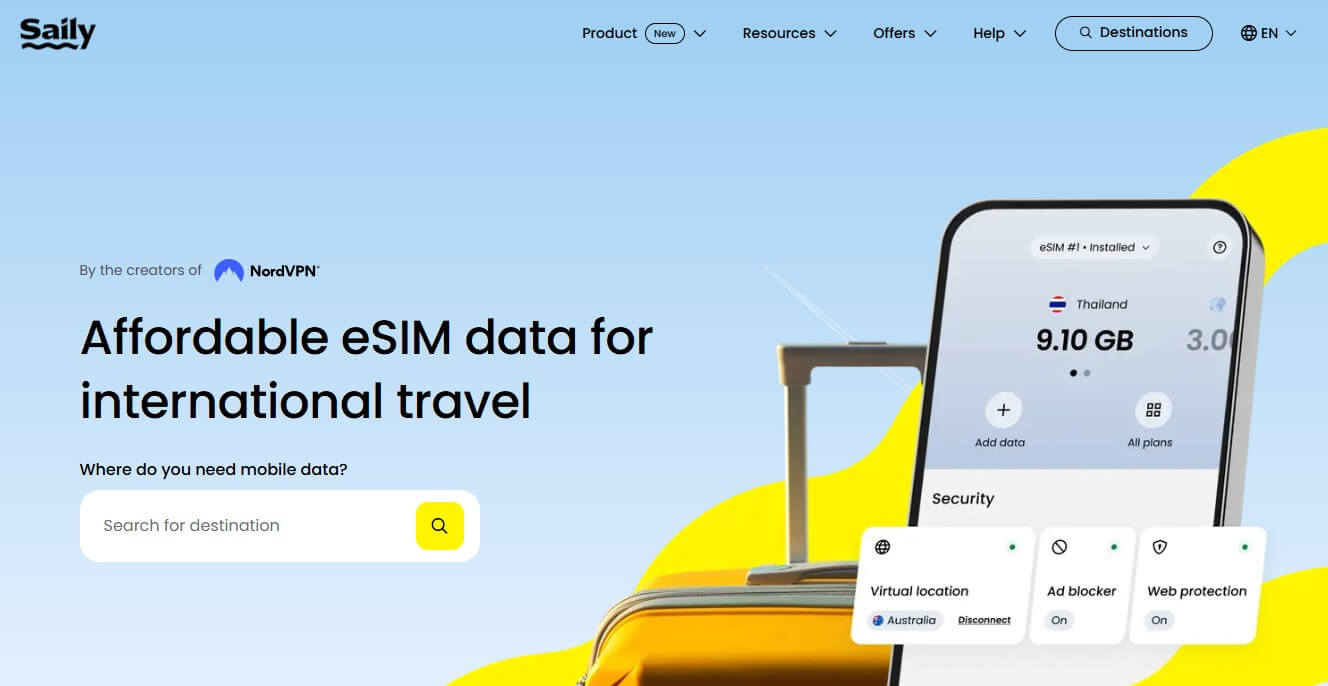
You land in a new country and your phone instantly connects to a local network—no fumbling for a physical SIM. An international eSIM is a digital chip built into your device that lets you download a roaming profile before you travel. You simply buy a plan online, scan a QR code, and your phone uses local networks without ever swapping a card. This removes the need for physical SIMs, roaming fees, or hunting for a local store.
Why Travelers Are Ditching Traditional Roaming
Travelers are ditching traditional roaming because international eSIMs eliminate the shock of unexpected bills and clunky SIM swaps. With an eSIM, you avoid carrier markups by pre-paying for a local data plan at a fraction of the cost. You can instantly activate a plan from your phone’s settings upon landing, keeping your primary number active for calls. The crucial advantage is seamless multi-country travel, as a single eSIM profile can hold multiple network profiles, letting you switch between countries without ever visiting a store or hunting for a physical card. This convenience and cost control makes roaming a relic of the past.
How embedded SIM technology eliminates physical cards
Embedded SIM technology replaces the physical plastic card with a permanently soldered chip inside the device. Instead of swapping a physical SIM to change carriers, users download a remote profile directly onto this chip. This process, called Remote SIM Provisioning, allows a traveler to install a local data plan before departure via a QR code or app, eliminating the need to find a store or handle a tiny card. The seamless carrier switching removes the risk of losing or damaging a physical SIM during travel. Activation follows a clear sequence:
Purchase an international eSIM plan online.
Receive a QR code or activation link.
Scan the code in device settings to download the profile.
The embedded chip activates the new plan instantly, while the physical tray remains unused.
Cost savings compared to standard roaming plans
The most compelling reason travelers switch to an international eSIM is the immediate, dramatic cost savings versus traditional roaming. Standard roaming plans from major carriers often charge exorbitant daily fees or per-megabyte rates, which can quickly exceed $10–$20 per day. In contrast, a regional eSIM data package might cost only $10–$15 for an entire week of coverage across multiple countries. You pay one flat, transparent price for a set data allowance—typically 80–90% less than what a standard plan would bill for the same usage.
Q: How much can I actually save on a two-week trip compared to my regular carrier’s roaming pass? A: Realistically, you can save between 60% and 90%, often turning a $100+ carrier roaming fee into a $15 eSIM plan for the same amount of high-speed data.
Zero activation lag upon arrival
Zero activation lag upon arrival eliminates the traditional scramble for a local SIM or Wi-Fi password the moment you land. With instant eSIM connectivity, your phone automatically latches onto a local network as soon as the plane’s doors open, often before you’ve even turned off airplane mode. There is no QR code to scan at the gate, no profile to download in a crowded terminal, and no waiting for a carrier’s SMS confirmation. Travelers simply step off the aircraft and their data is already live—maps, ride-sharing, and messaging work from the first footstep on foreign tarmac.
Zero activation lag upon arrival means your international eSIM is live before you leave the jet bridge—no setup, no waiting, just seamless data the instant you land.
How Global Data Passes Work Across Borders
When you cross a border with an international eSIM, your device doesn’t re-download a new profile; it dynamically switches to a host network’s local tower. The Singapore eSIM eSIM’s embedded global connectivity profile negotiates a temporary roaming agreement with that foreign carrier in seconds. Your data is then routed through that local cell site and encrypted back to the eSIM provider’s core network, which bridges the traffic to the wider internet. This handoff is seamless because the eSIM holds multiple virtual SIM profiles, each pre-configured for different regions. The critical nuance is that your data often takes a “home-routed” path through your eSIM provider’s central servers, not directly to the foreign tower’s local internet. This ensures consistent IP addressing and billing, though it can introduce a tiny latency spike compared to a physical local SIM.
Local carrier partnerships behind seamless coverage
An international eSIM doesn’t build its own towers but instead forges local carrier partnerships to secure direct, native access to regional networks. When you land abroad, your eSIM profile automatically negotiates with these partner providers, selecting the strongest available signal without manual SIM swaps. This eliminates roaming markups because traffic routes through local infrastructure rather than your home carrier’s expensive interconnects. The result is consistent, fast data across borders because each partnership prioritizes real-time network load balancing. Q: How do these partnerships avoid patchy coverage? A: Each agreement ensures priority access to a partner’s backhaul capacity, so your connection stays stable even during peak local usage.
Switching profiles without swapping hardware
Switching profiles without swapping hardware enables a user to change their international carrier eSIM while keeping the same device. This is achieved through a software-based profile download, where a new QR code or app activation overwrites or supplements the existing eSIM data. The process relies on the device’s embedded SIM slot supporting multiple network credentials. For travel, this means instantly moving from a home plan to a local data-only profile without physically removing or exchanging a plastic SIM card. eSIM profile swapping eliminates the need for multi-SIM trays or carrier-specific hardware variants.
Q: Can I switch between two different international eSIM profiles on the same device mid-trip? A: Yes, most modern smartphones allow you to store multiple eSIM profiles and switch between them in the settings menu, instantly changing which profile is active for data, without any hardware change.
Data speeds and throttling policies you should know
When using an international eSIM, data speeds often drop after exceeding a given “fair usage” threshold, typically around 500 MB to 1 GB daily, which triggers throttling to 128–256 kbps. Lower-priority roaming means your connection may slow during network congestion, unlike local users. Fair usage policies and throttling caps vary per provider, so always check the plan’s “data speed after limit” details. Some eSIMs throttle video streaming separately, capping resolution to 480p even if general browsing remains fast. A comparison helps clarify options:
Provider Type
Typical Throttled Speed
Video Throttling
Budget eSIMs
128 kbps
Often 360p
Premium eSIMs
256–512 kbps
Rarely restricted
Always confirm exact speeds in the provider’s policy file, not just marketing text.
Key Features That Define a High-Quality eSIM Service
A high-quality international eSIM service is defined by instant activation and guaranteed connectivity across multiple countries without requiring physical SIM swaps. The best providers offer transparent, pay-as-you-go data plans with clear pricing, enabling travelers to avoid surprise roaming fees and adjust coverage on demand. A defining feature is seamless fallback to local partner networks, ensuring consistent speeds even in less-connected regions. Superior eSIM platforms also provide a unified dashboard for real-time data usage, top-ups, and multi-profile management across devices. Ultimately, a premium service eliminates logistical friction, giving users reliable, on-the-go access to high-speed data wherever their itinerary takes them.
Instant top-up options versus fixed prepaid bundles
A high-quality international eSIM service distinguishes itself by offering flexible instant top-up options rather than rigid fixed prepaid bundles. Instant top-ups allow you to add data, talk, or text on demand as you travel, preventing wasted credit from unused allotments. Fixed bundles, while simpler, lock you into a set volume and validity period, often leaving you with excess data or forcing an early repurchase. The choice ultimately hinges on whether your travel pattern is unpredictable—favoring top-ups—or consistent—favoring bundles.
Q: Should I choose an eSIM with instant top-ups or fixed prepaid bundles? A: Choose instant top-ups if your data usage varies daily or you hop between countries; choose fixed bundles for single-destination trips with stable consumption to avoid monitoring usage.
Multi-profile storage for frequent flyers
For frequent flyers, multi-profile storage is critical in a high-quality international eSIM, as it allows simultaneous retention of home, destination, and backup plans without physically swapping SIMs. A traveler can preload a Japan profile while keeping their UK number active for banking SMS, then instantly switch upon landing. This avoids re-downloading profiles abroad, where Wi-Fi may be slow or absent. Dual standby functionality further enables seamless transitions between active data lines.
Store up to five or more eSIM profiles simultaneously, ready for immediate activation.
Switch between profiles without needing internet access for re-download.
Maintain a persistent home number alongside temporary local data plans.
Compatibility checks for specific device models
A top-tier international eSIM service makes it dead simple to verify device model compatibility before you buy. Instead of guessing, you should be able to enter your phone’s exact model number—like iPhone 15 Pro or Samsung Galaxy S24—on their site for an instant yes or no. Some older flagships, like the Google Pixel 3, lack the necessary eSIM hardware, so checking a precise model list is critical to avoid travel-day headaches.
Q: How can I check if my specific phone model works with an international eSIM? A: Head to the provider’s compatibility page, pick your phone brand, then select your exact model and carrier region; most will run a live check based on your IMEI to confirm support.
Popular Use Cases Beyond Vacation Trips
Beyond the holiday snapshot, the international eSIM quietly anchors the life of a digital nomad who switches between a co-working space in Medellín and a café in Lisbon, never losing Slack connectivity. For the business traveler landing in Tokyo for a single overnight meeting, it eliminates the hunt for a local SIM card, letting them immediately navigate to the client’s office. A student studying abroad in Barcelona uses their eSIM to maintain their home number for banking verification while running local apps for apartment listings. Meanwhile, a truck driver crossing from Canada into Mexico relies on the eSIM for continuous GPS rerouting and dispatch communication, treating borders like simple state lines without the hassle of swapping physical chips.
Digital nomads maintaining dual-line productivity
For digital nomads, an international eSIM enables dual-line productivity by allowing a work number to remain active alongside a local travel line without swapping physical SIMs. The primary foreign line handles personal roaming, while the eSIM ensures critical work tools—Slack, email, project dashboards—stay on a stable, dedicated data channel. To maintain this separation effectively:
Assign the eSIM exclusively to zero-downtime work applications (e.g., VPN, VoIP, cloud sync).
Route all non-essential, high-bandwidth personal tasks (maps, streaming) to the physical line.
Set device data preferences to favor the eSIM for background sync, ensuring work latency remains secondary.
Business travelers avoiding huge corporate bills
For business travelers, avoiding sky-high roaming charges is a constant battle, especially when corporate expense policies demand justification for every $20 data top-up. An international eSIM lets you purchase localized, prepaid data plans directly, slashing bills that once spiraled from daily carrier fees. Instead of submitting lengthy explanations for $50-per-day plans, you load a cost-effective package before landing, keeping corporate accounts lean. You simply swap profiles for each trip, eliminating physical SIM procurement costs and ensuring predictable, manageable expenses that won’t trigger audit red flags.
Backup connectivity during emergency travel
For emergency travel, an international eSIM provides a critical safety net when a primary SIM fails or is lost. You can activate a data plan instantly upon landing, avoiding the scramble for local shops. To ensure reliability, first download the eSIM profile before departure, then activate cellular data and enable data roaming only upon arrival. Emergency travel connectivity also depends on pre-loading multiple network profiles for regional fallback. Even a minimal 1GB plan can enable essential navigation and messaging until a permanent solution is secured. Finally, confirm your device is unlocked and supports the eSIM’s frequency bands.
Download your eSIM profile over Wi-Fi before traveling.
Upon arrival, switch the eSIM line to active with data roaming on.
Test a single message or map load to verify connectivity.
Comparing Top Providers by Regional Strength
When you hop off a flight in Tokyo, your international eSIM from Airalo pings the strongest local networks like docomo and SoftBank, while a Holafly plan might prioritize regional roaming partners in Southeast Asia but stumble in rural Hokkaido. For European train-hopping, Ubigi’s deep ties to Vodafone in Germany and Orange in France offer seamless cross-border handoffs, yet in the Middle East, Airalo’s partnership with Zain often delivers more consistent speeds in the UAE. Your choice ultimately hinges on whether your destination’s dominant provider has a direct agreement with your eSIM vendor, not just on coverage maps. Traveling to Brazil, Nomad eSIM leverages Claro’s network for urban centers, but in the Amazon, no single provider excels—you’ll layer backup plans for remote zones.
Best picks for Europe: coverage and data allowances
For European travel, Airalo’s regional Europe eSIMs provide extensive coverage across 40+ countries, with data allowances ranging from 1 GB to 10 GB that roll over daily or over 30 days. Holafly offers unlimited data plans but caps speeds after a set limit, ideal for heavy streaming. Choosing between a set data cap and throttled unlimited data depends on whether you need high-speed connectivity for maps all day or occasional large downloads. Airalo’s pay-per-GB model suits light users, while Holafly’s unlimited option favors those consuming video content across multiple Schengen zones.
Asia-Pacific solutions with strong local ties
Providers with deep Asia-Pacific carrier partnerships offer superior connectivity across fragmented markets like Indonesia, Japan, and Australia. Instead of relying on roaming agreements, these eSIMs route through local towers, ensuring faster speeds and lower latency in crowded cities or remote islands. *A single regional plan from a provider like Airalo or Ubigi can cover both Singapore’s high‑speed 5G and the Philippines’ patchy provincial networks without switching profiles.* **Q: Why choose an eSIM with strong local ties over a global one for an Asia trip?** A: Local ties guarantee stable access to domestic LTE bands in places like South Korea or Thailand, where foreign‑carrier roaming often throttles or fails after heavy usage.
North America plans for extended stays
For extended stays in North America, providers like Airalo and Holafly excel with plans spanning 30, 60, or 90 days, offering high-speed data across the US, Canada, and Mexico from a single eSIM. These options remove the hassle of frequent top-ups, with Airalo’s regional packages providing cost-effective long-term data at rates lower than daily passes. Nomad also targets this niche with generous allowances for month-long trips. Crucially, these plans support seamless switching between carriers like T-Mobile and Rogers, ensuring reliable coverage in both urban centers and rural transit corridors during prolonged visits. You maintain one consistent connection without roaming contracts.
For North America extended stays, choose regional 30–90 day eSIM plans from Airalo or Holafly for unified, affordable high-speed data across the US, Canada, and Mexico.
Hidden Pitfalls Rookies Often Miss
Rookies often miss that data speeds are frequently throttled after crossing a certain usage threshold, even if the eSIM promises “unlimited” data. Another hidden pitfall is assuming that purchasing a plan with “local” numbers will automatically give you reliable voice calls for banking or verification texts—many international eSIMs are data-only, and your actual phone number may stop working. You also risk auto-renewing an expensive plan you forgot to cancel, as some providers charge hefty fees for reactivation if you need to adjust dates later. Always verify compatibility with your specific device model, not just the brand.
Number-exclusive eSIMs lacking voice options
Many budget international eSIM plans are data-only eSIMs
Many budget international eSIM plans are actually data-only eSIMs, a hidden pitfall where you cannot make or receive standard calls. Your phone number is strictly for data authentication. This blocks two-factor authentication (2FA) that relies on voice, renders emergency calling unreliable, and prevents dialing local services like restaurants or taxis. You must verify all your 2FA methods accept SMS or app-based codes before traveling, otherwise you lose account access with no voice fallback.
Activation errors from incorrect installation steps
Skipping the manual’s specific step to delete a previous eSIM profile often triggers a permanent “No Service” error. For international eSIMs, installing the wrong regional QR code from your confirmation email is another classic blunder that wastes your plan. You might also hit a dead end if you activate while on airplane mode, as the esim activation error won’t resolve until you reconnect to a local tower. Rookies frequently lose their data because they tap “Remove eSIM” instead of “Turn Off This Line” when troubleshooting, instantly wiping the profile and requiring a costly new purchase.
Billing surprises with automatic renewal policies
Many rookies overlook how automatic renewal policies can trigger sudden billing shocks with international eSIMs. A cheap weekly plan may silently rebill at full price if you forget to disable auto-renewal before arriving home, draining your account for unused data. Some providers lock your refund request behind obscure fine print, forcing you into a support maze. Turning off auto-renewal immediately after purchase, even while abroad, avoids this hidden cost trap entirely.
Future Trends Shaping Cross-Border Connectivity
Future trends in cross-border connectivity will center on dynamic, AI-driven eSIM profiles that autonomously select the optimal local network in real-time, eliminating manual carrier switching. The integration of satellite backhaul will soon extend seamless coverage to remote border zones and open oceans, ensuring uninterrupted data for travelers. Multi-network aggregation across multiple countries will become standard, stacking bandwidth from different MNOs to maintain consistent speeds during high-demand transfers at ports or transit hubs. Personalized data entitlements, adjusted by historical roaming patterns, will replace rigid one-size-fits-all plans. Decentralized identity verification embedded within eSIM activation protocols will enable instant, secure hand-offs between networks without repeated logins or physical SIM swaps across borders.
Direct integration into laptop and tablet hardware
Direct integration of eSIM modules into laptop and tablet hardware eliminates the need for physical SIM trays or dongles, enabling instant international connectivity upon device activation. This embedded approach allows manufacturers to pre-load global carrier profiles, which users can select and manage through native OS network settings. The result is a seamless transition for travelers who can activate local data plans on a compatible laptop or tablet immediately after landing, without swapping cards or relying on public Wi-Fi. This hardware-level support also reduces battery drain compared to external hotspots, as the embedded eSIM chip communicates directly with the device’s modem, optimizing signal strength across borders.
Q: Does direct hardware integration allow me to switch eSIM profiles on a laptop while flying? A: Yes, if the device supports multi-profile storage and the OS enables in-flight network toggling, you can change carriers via the settings menu without physical intervention, provided the flight’s cellular coverage permits.
Carrier-agnostic platforms for one-click roaming
Carrier-agnostic platforms for one-click roaming eliminate the need to manually swap physical SIMs or sign up for separate regional carrier plans. When you land, the eSIM profile automatically negotiates the strongest local network, ensuring immediate connectivity without cumbersome provisioning. One-click roaming activation abstracts away underlying carrier agreements, letting you select a data package from a unified interface that dynamically switches networks if signal degrades. These platforms often price data based on consumption rather than fixed daily allowances, offering flexibility for variable usage. For travelers, this means no more hunting for SIM kiosks or verifying carrier compatibility before departure.
Real-time network switching based on signal strength and latency
Unified dashboard for purchasing, monitoring, and topping up data
Automatic fallback to secondary local carriers when primary loses coverage
Pre-activated eSIM profiles that work the moment the device connects to a tower
Environmental benefits of ditching plastic SIMs
Switching to an international eSIM eliminates the production and disposal of physical plastic SIM cards, directly reducing plastic waste and the fossil fuels used in their manufacture. Each plastic SIM requires mining for raw materials and energy-intensive molding, while its eventual disposal contributes to microplastic pollution or incineration. By activating a profile remotely, users avoid the carbon footprint of shipping a physical card internationally. This shift supports reduced plastic lifecycle impact, as no physical card is ever produced, transported, or discarded for each new connectivity plan.
What Exactly Is a Travel eSIM and How Does It Work?
The Core Technology Behind Switching Networks Abroad
eSIM vs. Physical SIM: The Key Differences for Global Roaming
How to Activate a Data-Only Plan for a Foreign Trip
Scanning a QR Code vs. Installing a Carrier App
Step-by-Step Setup for Both Android and iOS Devices
What Features Separate Premium Plans from Budget Options?
Speed Tiers, Data Caps, and Fair Usage Policies Explained
Multi-Network vs. Single-Network Connections
How to Pick the Right Plan for Your Destination and Usage
Matching Data Amounts to Trip Duration and Online Habits
Checking Regional vs. Global Coverage Zones
What Benefits Make This Worth Switching From Roaming?
Instant Activation Without Visiting a Store
Keeping Your Home Number Active While Using Local Data
Common User Questions About Managing Multiple Lines
Can You Have Two eSIMs Active at the Same Time?
What Happens to Your Home SIM When You Install a Travel eSIM
https://demo-projects.website/hairbyjohn/wp-content/uploads/2026/03/ChatGPT-Image-Mar-10-2026-11_14_08-AM.png00hosting webanalytichttps://demo-projects.website/hairbyjohn/wp-content/uploads/2026/03/ChatGPT-Image-Mar-10-2026-11_14_08-AM.pnghosting webanalytic2026-07-03 06:51:452026-07-03 06:51:45Why Travelers Are Ditching Traditional Roaming
The Best Travel eSIM for Global Connectivity in 2025
You land in Tokyo, and your phone instantly connects to the local network without hunting for a SIM card. A travel eSIM is a digital SIM profile you install on your phone before you leave, giving you data in a new country by switching to a local carrier. No physical card swapping, no roaming fees—just scan a QR code, turn on the eSIM in settings, and you’re online within minutes. It keeps your original number active for calls and texts while you use the eSIM solely for affordable, fast data abroad.
Why Your Next Trip Needs a Digital SIM
Your next trip demands a digital SIM because it instantly grants you local connectivity before you even board the plane. No more hunting for kiosks or wrestling with tiny physical cards. You activate a travel eSIM in minutes, keeping your WhatsApp, maps, and Uber live the moment you land. This means you bypass outrageous roaming bills and spotty hotel Wi-Fi. Instead, you get fast data on your terms, across multiple countries without swapping a thing. It transforms your phone into a seamless passport for connectivity, letting you navigate unfamiliar streets with unshakeable confidence.Stay online, stay safe, and never waste a precious travel hour hunting for a signal.
How embedded connectivity eliminates physical plastic
Embedded connectivity eliminates physical plastic by replacing the tangible SIM card with a permanent, soldered chip inside your device. This removes the need for a plastic tray and card, stopping the production and disposal of single-use polymer pieces. Every download of a travel eSIM profile directly avoids manufacturing another physical card and its wasteful packaging. You never fumble with tiny plastic shards, lose a card in a foreign country, or contribute to electronic waste from discarded SIMs. Instead, your phone itself becomes the secure, plastic-free carrier of your roaming identity.
The difference between roaming fees and local rates
The core difference between roaming fees and local rates is that roaming charges your home carrier for using foreign networks, often at inflated, daily rates. A digital SIM flips this by connecting you directly to a local network, granting you true local pricing for data. Instead of paying a carrier’s premium for temporary access, you buy a plan at the destination country’s standard cost. This means your data allowance buys significantly more for the same money, turning a budget line into an afterthought. Roaming fees charge for convenience; local rates charge for actual consumption, making the former a penalty and the latter a practical resource.
Aspect
Roaming Fees
Local Rates (via eSIM)
Pricing model
Daily pass or per-MB markup
Standard domestic rate per GB
Cost per GB (example)
$10–$20
$1–$5
Data cap perception
Stingy, limited by fee
Generous, tied to local market
Instant activation versus waiting in airport shop lines
Arriving in a new country, the choice is immediate connectivity versus a time-consuming queue. With a digital SIM, you activate as you land, tethering to the network before stepping off the plane. In contrast, airport shop lines demand hunting for a vendor, waiting for a salesperson, and often a physical SIM installation—easily costing 15–45 minutes of your first hour. This delay is a hard deadzone where you cannot message your ride or check a map. Instant activation eliminates this post-flight friction, allowing you to navigate the terminal while others are still waiting.
Q: Why is instant activation more reliable than buying at an airport shop? Airport shop lines are unpredictable; they can be long or closed late at night. Digital SIM activation happens via your device with no human bottleneck, guaranteeing you are online the second you need it.
Top Scenarios Where a Virtual Card Outshines Traditional Plans
For the traveler who values instant activation and precise control, a virtual card outshines physical SIM plans when securing a travel eSIM. The top scenario is last-minute trips: you land in a new country, and within seconds of purchasing, the eSIM profile is downloaded and active, versus searching for a local store. Another critical use case is multi-destination itineraries. A virtual card lets you pre-load and switch between regional eSIMs for different countries without physically swapping SIMs or risking losing your primary line.
The decisive advantage is budget safety: a virtual card prevents surprise overage fees by letting you top up only the exact data you need for a few days, avoiding the fixed, higher cost of a traditional monthly plan.
This makes it ideal for short work trips or layovers where a full month of service is wasteful.
Multi-country itineraries and seamless network switching
For multi-country itineraries, a travel eSIM with seamless network switching eliminates the need for separate local SIMs in each nation. When crossing borders, the eSIM automatically connects to a local partner network in the new country, maintaining data continuity without manual reconfiguration. A practical sequence for this process typically involves:
Pre-loading a regional eSIM before departure that covers all planned destinations.
Upon arrival in the first country, the eSIM registers on a local network automatically.
Crossing into the second country, the device disconnects from the previous network and instantly joins a new local partner, preserving an active data session for navigation and communication.
This frees the traveler from hunting for physical SIMs or juggling multiple profiles during a single trip.
Backpacking through regions with inconsistent Wi-Fi
For backpacking through regions with inconsistent Wi-Fi, a virtual travel eSIM eliminates reliance on spotty public hotspots when navigating remote trails or rural towns. You pre-purchase data plans directly on your device, activating coverage the moment you cross into a new area without hunting for a café with a signal. This ensures reliable offline navigation and communication even when local networks are overloaded or unavailable. Q: How do I stay connected when Wi-Fi drops during a trek? A virtual eSIM automatically switches to the strongest local carrier in its roaming network, maintaining a stable connection for maps and emergency messaging without manual reconfiguration.
Business travelers juggling work emails and navigation apps
Business travelers moving between airport lounges and client sites cannot afford to toggle between cellular menus. A travel eSIM allows simultaneous data streams for email pings and map refreshes, eliminating the dead zones caused by swapping physical SIMs. By avoiding local carrier sign-ups, the traveler maintains a continuous connection to corporate VPNs and real-time navigation reroutes. This uninterrupted dual-connectivity for business travelers means work never buffers while crossing borders, nor does the driver miss an exit due to dropped signals. The virtual profile handles both apps without degrading throughput, ensuring turn-by-turn directions arrive alongside urgent message threads.
By centralizing work emails and navigation apps under one eSIM profile, the business traveler avoids SIM card swaps and keeps both critical services active—eliminating the choice between missing an email or losing directions.
How to Pick the Right Data Package for Your Journey
To pick the right data package for your journey, first match the plan’s validity to your exact travel dates. A short trip needs a 7-day plan; longer stays demand a 30-day option to avoid early expiry. Next, assess your usage: streaming maps or video requires at least 5 GB, while messaging and basic navigation work with 1–2 GB. Check destination coverage to ensure the eSIM includes your specific country, not just a regional zone. For multi-country trips, a regional plan avoids swapping eSIMs. Finally, prioritize packages offering top-up flexibility, so you can add data mid-trip if you run low.
Gigabyte thresholds: light browsing versus streaming needs
For travel eSIM selection, data volume hinges entirely on usage intensity. A light browsing versus streaming needs threshold centers on simple email and maps, often consuming under 1GB daily. Conversely, streaming video at standard definition requires over 1GB per hour, making a 5GB weekly package barely sufficient for mostly browsing. Audio streaming sits in a middle zone, demanding roughly 50-150MB per hour, which quickly escalates a light user into a moderate one. Therefore, a traveler who only checks navigation briefly can likely manage a 3GB plan for a week, whereas a streaming-heavy user should insist on at least 10GB to avoid sudden throttling mid-trip.
Regional passes versus single-country profiles
Choosing between a regional pass and a single-country profile depends entirely on your itinerary. A regional pass connects you across multiple countries in one zone, which is ideal for multi-destination trips like a European rail journey. A single-country profile offers localized coverage and often cheaper data for deep dives into one nation. Multi-country travel efficiency is the key differentiator. If you stay in one place, a single plan avoids paying for unused cross-border access.
Regional passes save the hassle of swapping eSIMs at each border crossing.
Single-country profiles typically provide higher data caps for a lower price per GB.
Regional coverage sometimes prioritizes stable roaming over local network speeds.
Single-country plans often include local IP addresses for region-locked services.
Validity windows and top-up flexibility options
When choosing a travel eSIM, match your trip duration to validity windows to avoid paying for unused days—a 7-day plan fits a short city break, while a 30-day window suits extended travel. Top-up flexibility lets you add data without buying a new eSIM, which is crucial if your plans change mid-journey. For example, a 15GB plan with a 90-day validity and instant top-up options allows you to pause and resume data use across multiple legs of your trip without waste. Always confirm whether your provider supports seamless recharges within that window to prevent coverage gaps during border crossings or layovers.
Aspect
Validity Windows
Top-Up Flexibility
Primary Role
Defines the usable period (e.g., 7, 15, 30 days)
Allows adding data to an active plan
Best For
Fixed itineraries or single-country trips
Multi-destination trips or extended stays
Practical Tip
Choose a window that exceeds your travel days by 1-2
Verify top-up availability before losing connectivity
Step-by-Step Setup Without Hiccups
Getting your travel eSIM live is a three-minute sprint, not a marathon. First, ensure your phone is unlocked and running the latest OS update to avoid compatibility conflicts. Then, scan the QR code from your provider’s email—avoid public Wi-Fi for this step. Once activated, toggle “Data Roaming” on and set the APN manually if your device doesn’t auto-configure. Q: What if my phone shows “No Service” after scanning the QR? A: Restart your device, then re-enter the APN details from your confirmation email under Cellular Network settings. That missing “s” in “apn” is the only hiccup you’ll face.
Checking device compatibility before departure
Before your trip, confirming your phone supports eSIM is non-negotiable. Most modern devices like iPhones from XR onward and recent Samsung Galaxy models are compatible, but older or region-locked phones may not be. Check your settings for an “Add Cellular Plan” option or consult the manufacturer’s specifications. Unlocked devices are essential to accept a travel eSIM provider’s profile. Do not assume compatibility—verify it at least a week before departure to allow time for troubleshooting.
Navigate to Settings > Cellular or Mobile Data to see if “Add eSIM” appears.
Confirm your phone model is eSIM-capable via the manufacturer’s official list.
Ensure your device is not locked to a specific carrier.
Test installation of a free eSIM trial before you leave home.
Installing the profile with a QR code or app
For eSIM travel profile installation, the quickest method is scanning a QR code. After purchasing your plan, open your device’s Settings, navigate to Cellular or Mobile Data, and select “Add eSIM.” Scan the provided QR code directly; the profile downloads automatically. If using a provider app, log in and tap “Install eSIM” from the dashboard. The app triggers the same system prompt to add the profile. Verify activation by toggling your new line on. The sequence is:
Open device Settings → Cellular/Mobile Data → Add eSIM.
Scan QR code or tap “Install” within the provider app.
Label the new line and set it as primary for data roaming.
Activating on arrival to avoid plan start confusion
To eliminate plan start confusion, activate your travel eSIM only upon arrival at your destination, not before departure. This ensures the countdown timer begins when you actually need data, preventing premature expiration. After landing and switching to airplane mode, go to Settings > Cellular, tap your eSIM, and enable it. Always activate on arrival to align your service window with your trip. Q: What if I accidentally activate early? Most providers offer a grace period; contact support immediately to reset the activation, but strict “use-it-or-lose-it” plans require a new purchase.
Hidden Perks Beyond Basic Connectivity
A travel eSIM’s hidden perks go far beyond simple internet access. You gain the ability to use local ride-hailing and food delivery apps that require a local number for verification, streamlining on-the-ground logistics. Many providers also bundle static IPs or port forwarding, allowing secure access to home networks or business servers without a VPN. Q: What is the most overlooked hidden perk? A: Dual-SIM persistence—keeping your home line active while a foreign data eSIM runs, so you still receive banking 2FA codes and family messages without swapping physical cards. This setup prevents critical verification lockouts during international trips.
Keeping your primary number for two-factor authentication
Keeping your primary number active for two-factor authentication is a hidden perk, as travel eSIMs allow you to maintain your home carrier line solely for receiving SMS codes. This avoids the security risk of swapping SIMs, which can disrupt time-sensitive verification prompts. By routing 2FA texts through your original number while using the eSIM for data, you preserve access to banking and email logins. This setup ensures uninterrupted account verification without roaming charges, as the primary line stays idle on a legacy network. The logical separation prevents authentication failures that occur when a physical SIM is deactivated during travel.
Using data tethering to share with travel companions
A travel eSIM’s most practical hidden perk is the ability to turn your device into a mobile hotspot, allowing you to share data with travel companions instantly. Instead of purchasing multiple eSIMs for your group, you buy one generous plan and activate tethering. Follow this sequence for smooth sharing: first, confirm your eSIM provider allows tethering in the destination country. Second, enable the hotspot in your device’s settings and connect your companions’ phones. Third, monitor your data usage to avoid throttling. This approach keeps entire group online for navigation, communication, and research, saving money while eliminating the hassle of managing separate accounts.
Accessing region-locked apps and local services
A travel eSIM unlocks geo-restricted content and local platform access by assigning you a local IP address from your destination country. This instantly bypasses blocks on ride-hailing apps like Grab or Didi, food delivery services, and local streaming libraries that require a domestic connection. You can then book a taxi, order dinner, or watch a regional show without VPN workarounds. Traditional roaming often retains your home IP, locking you out of these essential tools. With a local eSIM, your device appears native, granting seamless, permanent access to every app and service the region offers.
Scenario
Roaming (Home IP)
Travel eSIM (Local IP)
Ride-hailing app access
Blocked or limited
Full functionality
Local streaming catalog
Home-country library
Regional library
Banking & local payment apps
Often rejected
Recognized & accepted
Common Pitfalls and How to Sidestep Them
A major pitfall is buying an eSIM that doesn’t match your device’s frequency bands, leading to slow or no service. Sidestep this by confirming your phone’s compatibility with your destination’s network bands before purchase. Another common error is activating the eSIM too early; install the profile at home but only toggle it on upon arrival to avoid burning days. Always keep your primary SIM active for calls until you’ve tested the eSIM. Q: Why does data become unusable after the first day? A: You likely consumed the entire allowance on background app updates; disable auto-updates and use a firewall app to track usage per app.
Accidental dual-SIM charges and switching defaults
A common pitfall with travel eSIMs involves accidental dual-SIM charges and switching defaults. If your phone automatically uses the primary SIM for voice calls or iMessage activation while data runs on the travel eSIM, your home carrier may bill per-minute or per-MB rates. To avoid this, pre-configure your device’s mobile data and default call/SMS lines to the travel eSIM before departure. A clear sequence to sidestep fees:
After installing the travel eSIM, go to Settings > Cellular and set “Default Voice Line” to the travel eSIM.
Disable “Cellular Data Switching” to prevent automatic fallback to the primary SIM when the travel eSIM signal dips.
Turn off “Allow Cellular Data Switching” for apps like iMessage or WhatsApp under your primary SIM’s settings.
Misreading coverage maps for rural or remote zones
Travelers often assume bright coverage map shading guarantees service in remote zones, but these maps typically show outdoor signal potential, not indoor or mobile reliability. To avoid misreading, verify that the map includes rural zone signal reliability indicators, often via transparency or pattern overlays. Check for partner network logos listed in fine print, as coverage may rely on a secondary carrier with limited range. Cross-reference user forum reports for specific trekking routes or mountain passes. For sequential verification:
Zoom to your exact destination coordinates on the coverage map.
Compare the zoomed view with user-reported experience on apps like OpenSignal.
Look for a “coverage guarantee” or refund policy for unsupported zones.
Expiration dates that cut off connectivity mid-trip
A critical pitfall with travel eSIMs is an expiration date that cuts off connectivity mid-trip. This occurs when the plan’s validity ends before your return, abruptly disabling data without warning. To sidestep this, always check the expiration clock in your eSIM provider’s app or account before departure. Follow this sequence:
Note the exact activation time and date of your plan.
Calculate the expiration moment based on the plan’s duration (e.g., 7 days from activation).
Cross-reference with your travel dates, adding buffer for time zone differences.
If your trip extends past expiration, purchase a second plan beforehand or one with flexible activation to avoid a service gap.
Comparing Costs: Prepaid Cards, Roaming, and Digital Profiles
When comparing costs for international data, travel eSIM digital profiles typically undercut traditional roaming by 50-70% for moderate usage, avoiding daily add-on fees. Prepaid physical SIMs may have lower per-GB rates but often charge activation or top-up fees that erode savings for short trips. Roaming remains the most expensive option, with carriers billing per MB or bundling small caps at high daily rates. A key cost factor is data validity: prepaid cards usually expire after 7-30 days, forcing repurchase on extended stays, while digital profiles let you buy lightweight 1-2GB top-ups that last a year. For a traveler using under 5GB, an eSIM profile often delivers the best value by eliminating physical card shipping and roaming overcharges.
Per-day pricing breakdown for short getaways
For short getaways, the per-day pricing breakdown for travel eSIMs typically ranges from $2 to $10, depending on the destination and data allowance. A three-day plan might cost $12 total, averaging $4 daily for 1GB per day, while a five-day option could drop to $3 daily for slightly slower speeds after initial high-speed data. Some providers offer a flat daily rate, such as $5 per day for unlimited low-speed data, making costs predictable. Comparing this per-day rate against a one-week plan can reveal if shorter bundles are truly economical for brief trips, as daily caps often apply separately.
Long-term stays and unlimited data tradeoffs
For long-term stays, the tradeoff with unlimited data travel eSIM plans often begins around 30 days. While a monthly unlimited plan offers peace of mind for heavy streaming, it typically includes a “fair usage” cap (e.g., 50-100GB) before throttling, making it less cost-effective for moderate users. Conversely, a large prepaid data package renewed monthly can be cheaper if you don’t need constant high-speed access. You must compare the throttled speed thresholds, as Singapore eSIM some “unlimited” plans drop to a frustrating 128kbps after the cap. Q: Is unlimited data always worth it for month-long trips? A: Not if you primarily rely on Wi-Fi at accommodation; a 30GB plan often saves significant money over an unlimited one with throttling.
Hidden fees from international data add-ons
When comparing travel eSIM costs, hidden fees from international data add-ons can catch you off guard. Many providers advertise a low base rate but bury activation charges or surcharges for topping up mid-trip. You might pay a “connection fee” every time your add-on activates a new network, or face inflated per-MB rates once your initial data bundle depletes. Always scrutinize the fine print before purchasing: some add-ons automatically renew without warning, draining your balance with unwanted data. Sticking to prepaid eSIMs that disclose all tariffs upfront eliminates these nasty surprises, keeping your travel connectivity budget predictable.
Future Trends in Mobile Roaming for Frequent Flyers
For frequent flyers, the future of mobile roaming hinges on travel eSIMs evolving into autonomous connectivity hubs. Instead of manually buying data, your eSIM will proactively negotiate for local network slices as you land, instantly prioritizing low-latency links for work VPNs over casual browsing.
This means your flight’s Wi-Fi will seamlessly hand off to a native 5G carrier the moment you step into the terminal, erasing any connectivity gap.
You will also see integrated “loyalty profiles” that auto-apply accumulated airline status to unlock higher data caps or free hotspot days across partner eSIM providers. Charging is shifting to usage-based micro-models, so you never pay for a full day when you only need two hours of data during a layover.
eSIM-only smartphones and built-in provider integrations
eSIM-only smartphones, like recent US iPhone models, force you to rely entirely on digital profiles, making built-in provider integrations a lifesaver. Your phone can directly scan a travel eSIM QR or instantly activate a plan from a partner carrier in the settings menu. This skips the manual profile setup and lets you switch between local data packs for different countries without swapping physical cards. It means simplified multi-country roaming where your device automatically manages provider integrations for seamless connectivity.
eSIM-only phones make built-in provider integrations essential, letting you activate and switch travel eSIMs directly from your device’s settings for effortless global roaming.
AI-driven plans that adjust based on your location
Imagine your travel eSIM automatically shifting plans as you cross borders. AI-driven plans that adjust based on your location analyze real-time data, instantly swapping to a cheaper local data packet when you land in Tokyo or activating a high-speed streaming bundle during a layover in Dubai. No manual selection, no wasted credits. This proactive optimization means your connectivity budget works harder, matching network performance to your immediate needs without you lifting a finger. Dynamic location-based data optimization ensures you always have the right plan at the right price.
Q: How does an AI-driven plan know which data package to activate in a new country? A: It uses your phone’s GPS and network pings to detect your location in real time, then automatically selects the most cost-effective or speed-optimized eSIM profile from your provider’s global pool the moment you arrive.
Regulatory shifts affecting cross-border data rates
Regulatory shifts are directly reshaping cross-border data rates for travel eSIM users. New frameworks, such as regional data-sharing pacts, increasingly mandate that local operators offer temporary, price-capped wholesale access to foreign networks, which lowers per-gigabyte costs for travelers. These rules often vary by destination, requiring you to check if your eSIM provider partners with compliant local carriers to pass the savings on. Conversely, stricter data-sovereignty laws in some countries can introduce additional fees for routing traffic locally, offsetting other benefits. You must verify whether your eSIM plan explicitly aligns with current bilateral rate regulations to avoid unexpected surcharges.
What exactly is a travel eSIM and how does it differ from a physical SIM?
The core technology behind virtual roaming cards
Key differences between eSIM profiles and traditional plastic SIMs
How do you set up and activate a travel eSIM before a trip?
Step-by-step installation process on iPhone and Android
Activating data plans without removing your home SIM
What are the biggest benefits of using an eSIM for international travel?
Instant connectivity upon arrival without hunting for local SIMs
Cost savings compared to standard international roaming fees
Which features should you look for when choosing a global data plan?
Network coverage maps and speed tiers across multiple countries
Data caps, validity periods, and top-up options
What common pitfalls should first-time users avoid?
Device compatibility checks before purchasing a plan
Managing dual SIM functionality to avoid billing surprises
How can you troubleshoot connection issues while abroad?
Resetting network settings or manually selecting a carrier
What to do if the eSIM profile disappears during travel
https://demo-projects.website/hairbyjohn/wp-content/uploads/2026/03/ChatGPT-Image-Mar-10-2026-11_14_08-AM.png00hosting webanalytichttps://demo-projects.website/hairbyjohn/wp-content/uploads/2026/03/ChatGPT-Image-Mar-10-2026-11_14_08-AM.pnghosting webanalytic2026-07-03 06:46:182026-07-03 06:46:18Why Your Next Trip Needs a Digital SIM
Krypto Casino: Geduld zahlt sich aus bei klarer Navigation und schnellen Einsätzen
Warum das Krypto Casino für geduldige Spieler attraktiv ist
Das Konzept eines Krypto Casinos gewinnt zunehmend an Bedeutung, da es durch einfache Bedienung und schnelle Transaktionen besticht. In einer Zeit, in der viele Online-Casinos mit überladenen Menüs und komplexen Abläufen aufwarten, setzt das Krypto Casino auf klare Strukturen. Die Nutzerführung ist oft übersichtlich gestaltet, sodass auch Neulinge schnell ihren Weg finden. Diese Transparenz fördert nicht nur das Vertrauen, sondern macht das Spielen selbst für weniger erfahrene Spieler angenehm und motivierend.
Dank moderner Blockchain-Technologie sind Ein- und Auszahlungen innerhalb von Sekunden möglich. Gerade für diejenigen, die Wert auf ein flüssiges Erlebnis legen, ist das ein entscheidender Vorteil. Für viele wird das krypto casino so zum Spielplatz, auf dem Geduld in puncto Strategie und Einsatzplanung belohnt wird.
Die Rolle von Geduld bei schnellen Einsätzen
Gleichzeitig ist es paradox: Während Einsätze und Transaktionen schnell abgewickelt werden, ist strategische Geduld gefragt. Wer direkt auf hohe Gewinne spekuliert, riskiert oftmals den schnellen Verlust. Geduldige Spieler dagegen nutzen die Zeit, um Regeln zu verstehen, die Auszahlungsquoten zu beachten und die richtigen Momente abzuwarten. Besonders Spiele wie Book of Dead oder Starburst aus dem Portfolio von Play’n GO und NetEnt bieten mit einem RTP (Return to Player) von etwa 96 % gute Chancen, wenn man klug agiert.
In der Praxis bedeutet das: Mehrere kleine Einsätze, kontrolliertes Spielverhalten und kontinuierliche Anpassung der Strategien führen häufig zum Erfolg. Genau in diesem Umfeld fühlt sich das Krypto Casino wohl – als Ort, an dem Geschwindigkeit auf methodisches Vorgehen trifft.
Technologische Grundlagen moderner Krypto Casinos
Was macht ein Krypto Casino technisch so besonders? Es sind vor allem die verwendeten Technologien wie Blockchain und Smart Contracts, die Transparenz und Sicherheit gewährleisten. Die meisten Plattformen verwenden moderne Verschlüsselungen (beispielsweise SSL), um die Daten der Spieler zu schützen. Zudem sind Zahlungsmethoden wie Bitcoin, Ethereum oder andere Kryptowährungen beliebt, da sie schnelle, gebührenarme und dezentrale Zahlungen ermöglichen. So entfallen oft langwierige Banküberweisungen oder komplizierte Verifizierungsprozesse.
Einige Anbieter integrieren auch innovative Features wie Instant-Withdrawals oder automatische Bonusfreischaltungen, die den Spielablauf weiter optimieren. Auch die Regulierung spielt eine Rolle: Seriöse Krypto Casinos kooperieren mit bekannten Regulierungsbehörden, um Spielerschutz und Fairness zu garantieren.
Praktische Tipps für den Einstieg ins Krypto Casino
Wer sich entschließt, ein Krypto Casino auszuprobieren, sollte einige wichtige Punkte beachten, um das Erlebnis nicht zu trüben. Zunächst empfiehlt es sich, mit kleineren Beträgen zu starten und sich mit der Bedienung der Plattform vertraut zu machen. Die klare Navigation, die viele moderne Anbieter bieten, hilft dabei enorm.
Informationen zu den unterschiedlichen Kryptowährungen sammeln
Die Auszahlungsquoten der beliebten Spiele wie NetEnts Starburst prüfen
Den Überblick über den eigenen Einsatz behalten und Limits setzen
Auf renommierte Anbieter mit gültiger Lizenz achten
Verantwortungsbewusst spielen, um Spaß und Sicherheit zu gewährleisten
Ein häufiger Fehler ist es, zu schnell zu viel zu riskieren oder sich von hohen Jackpots blenden zu lassen. Geduld zahlt sich gerade bei diesem Spielmodell aus.
Was macht die Nutzererfahrung so besonders?
Meiner Einschätzung nach ist es die Kombination aus Benutzerfreundlichkeit und Schnelligkeit, die das Krypto Casino von vielen traditionellen Online-Casinos unterscheidet. Eine intuitive Menüführung ermöglicht es, sich auch ohne Vorerfahrung schnell zurechtzufinden. Dazu kommen transparente Regeln und ein durchdachtes Design, das Ablenkungen minimiert.
Dieses Zusammenspiel aus Technik und Design schafft eine Atmosphäre, die sowohl für Gelegenheitsspieler als auch für erfahrene Taktiker einlädt. Die Geduld, mit der man spielerisch den richtigen Zeitpunkt abwartet, wird durch die unmittelbare Reaktion beim Einsatz belohnt. So wird das gesamte Spielerlebnis nicht nur unterhaltsam, sondern auch befriedigend.
Zugänglichkeit und Verantwortung im Umgang mit Krypto Casinos
Die Zugänglichkeit von Krypto Casinos und die schnelle Verfügbarkeit von Einsätzen bergen auch Risiken. Gerade das einfache Handling und die Verfügbarkeit rund um die Uhr können dazu verleiten, mehr Zeit und Geld zu investieren als ursprünglich geplant. Deshalb ist es wichtig, sich selbst Grenzen zu setzen und bewusst zu spielen.
Verantwortungsvolles Spielen sollte immer im Vordergrund stehen. Die besten Plattformen unterstützen ihre Nutzer durch Limit- und Selbstausschlussfunktionen sowie durch Hinweise auf mögliche Risiken. Wer diese Instrumente nutzt, bleibt auch in einem schnellen Umfeld wie dem Krypto Casino geschützt und kann das Spiel als angenehme Freizeitbeschäftigung genießen.
https://demo-projects.website/hairbyjohn/wp-content/uploads/2026/03/ChatGPT-Image-Mar-10-2026-11_14_08-AM.png00hosting webanalytichttps://demo-projects.website/hairbyjohn/wp-content/uploads/2026/03/ChatGPT-Image-Mar-10-2026-11_14_08-AM.pnghosting webanalytic2026-07-03 01:04:492026-07-03 01:04:49Mit klarer Navigation und schnellen Einsätzen wird das Krypto Casino zum Spielplatz für Geduldige